Reimagining the River Roding: What happens when we activate overlooked public space?
What happens when local people help shape the future of an overlooked public space? The River Roding programme offers practical lessons in community-led health, public realm and neighbourhood change.
Over the past few months, we’ve been working with an incredible group of partners; North East London ICB, London Borough of Barking and Dagenham, Arup, Makower Architects, Be First and Connected Places Catapult and local residents, to explore a question: What happens when we unlock underused spaces to improve health?
Through the Public Realm Innovation Lab, we tested this along the River Roding corridor in Barking & Dagenham, a stretch of river that, despite running through the borough, has historically been underused and, in many cases, unknown to local residents.
From the outset, this was designed as a collaborative, community-led effort. Engagement wasn’t a separate activity, but a core part of how the programme was built, shaping how people were invited to participate, how activities were designed, and how the river itself was experienced.
In just over 12 weeks, across three sites, we deployed four activities:
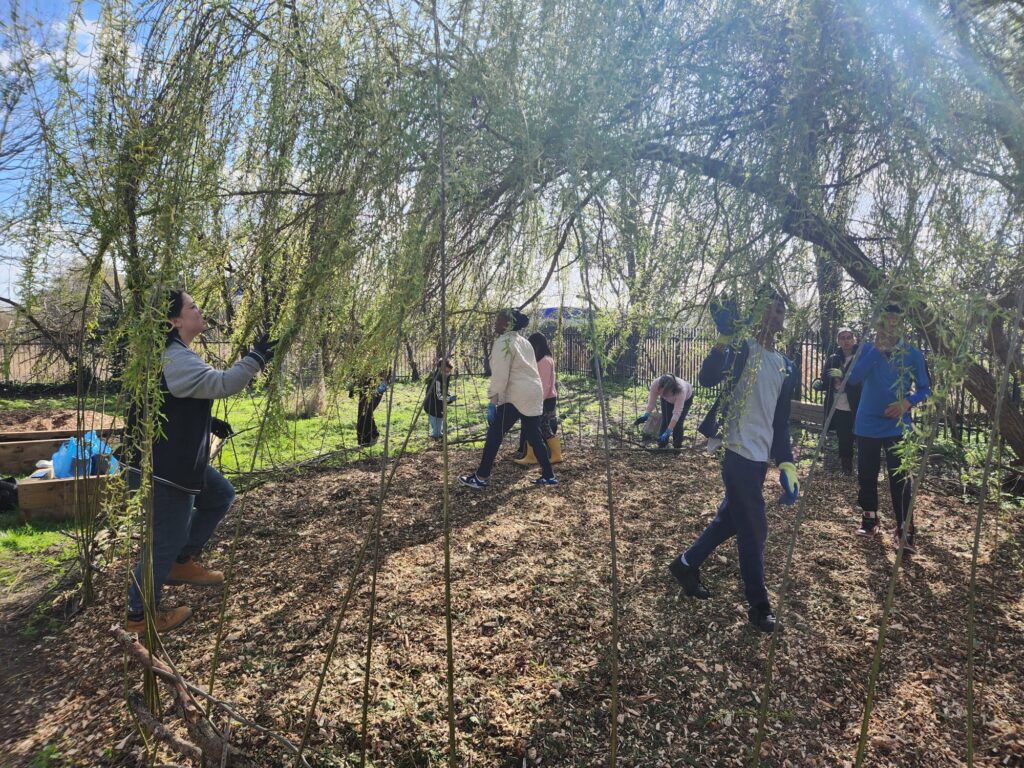
- A community-led nature and stewardship programme (Elevate Together)
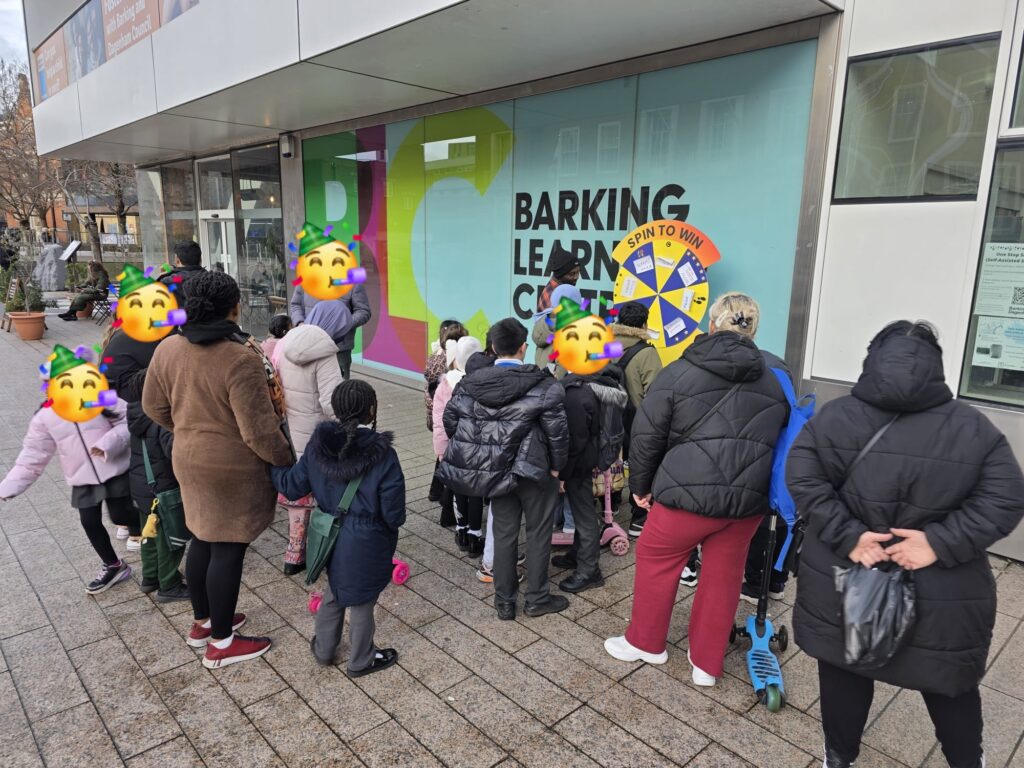
- A gamified movement platform (Street Tag)
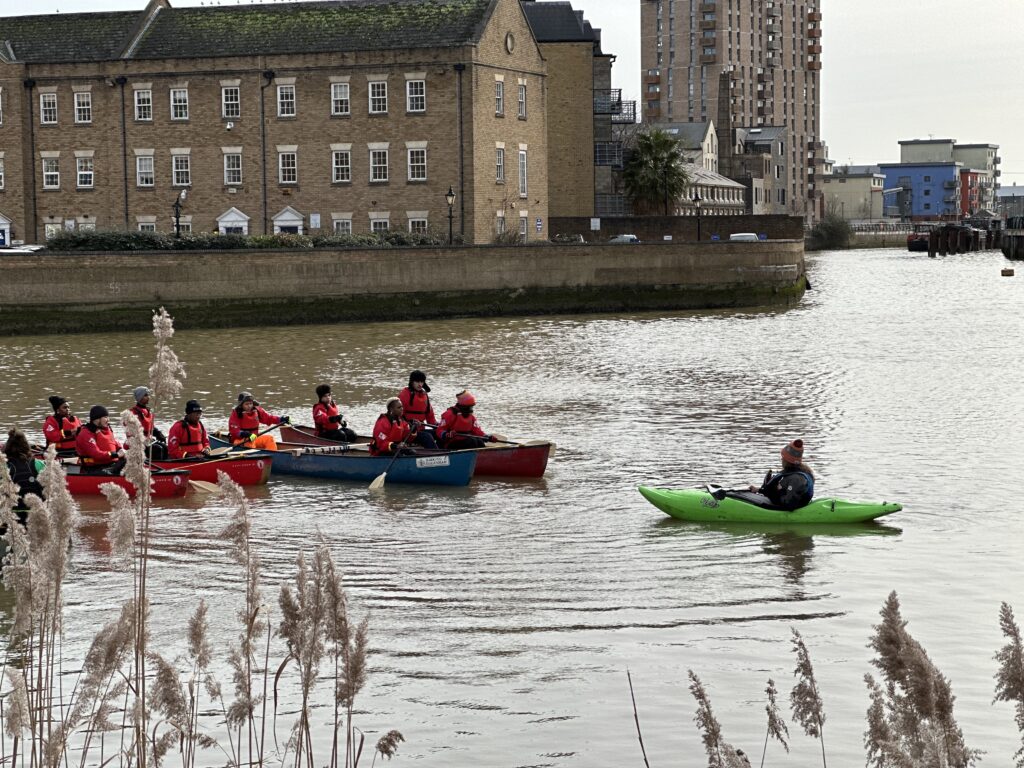
- Structured paddlesport sessions (London Kayak School)
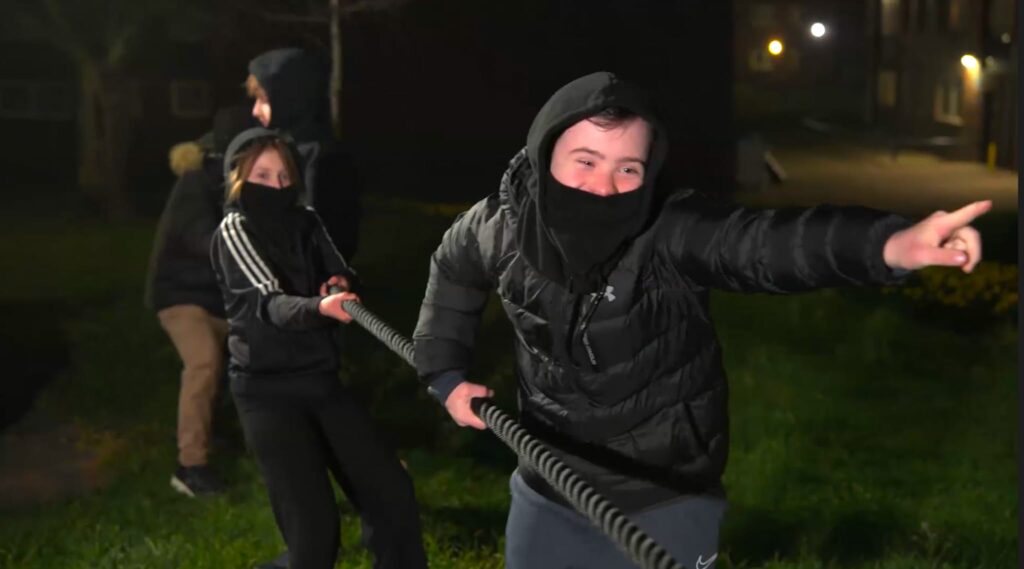
- Trauma-informed physical activity for children with additional needs (LISA / Go Go Ninja)
What followed was not just increased activity, but a shift in how people connected to a place that had previously gone unnoticed.
The scale of impact
Across the activities we saw clear evidence of increased activity, engagement and behaviour change:
- 43 participants engaged in the Green Futures nature programme
- 9.5 million steps recorded through the Street Tag trial
- 362 people took part in paddlesport sessions
- 105 attendances in the Go Go Ninja programme
- 54% increase in weekly visits to the River Roding corridor
These are strong outcomes in their own right. But just as important is that across all four trials, participants who had little or no prior awareness of the River Roding left with positive associations and genuine confidence in using the space.
“I feel more confident to visit the Roding river because now there is a place I feel connected to and have felt safe.”
That shift in perception is significant. It suggests that with the right interventions, even overlooked spaces can quickly become valued community assets.
Putting community at the centre
A critical part of this programme’s success was how the community was involved, not just as participants, but as active contributors in shaping, testing and evolving the work.
Rather than relying on a single open call, we took a layered, place-based and relationship-led approach, working through trusted local networks, community partners and word-of-mouth to reach a broad and representative mix of residents.
We thought carefully about who might typically be excluded, what barriers might exist, and how to make participation feel relevant, accessible and welcoming. The aim wasn’t simply to fill activities, but to create the conditions for meaningful and sustained involvement.
We focused on people with a direct connection to the area, from those already active in community life to those whose voices are less often heard. We designed communications using clear, accessible language and strong visuals to help people quickly understand what the project was and how they could take part.
By working through trusted relationships and meeting people where they already were, whether through local groups, schools, WhatsApp networks or informal conversations, participation felt grounded in the community.
This approach helped build trust, increased participation and ensured that lived experience sat at the heart of the project. It also meant that the activities weren’t just delivered to the community, but shaped with them, strengthening both the relevance of the interventions and the sense of ownership over the spaces themselves.
Four approaches, one shared outcome
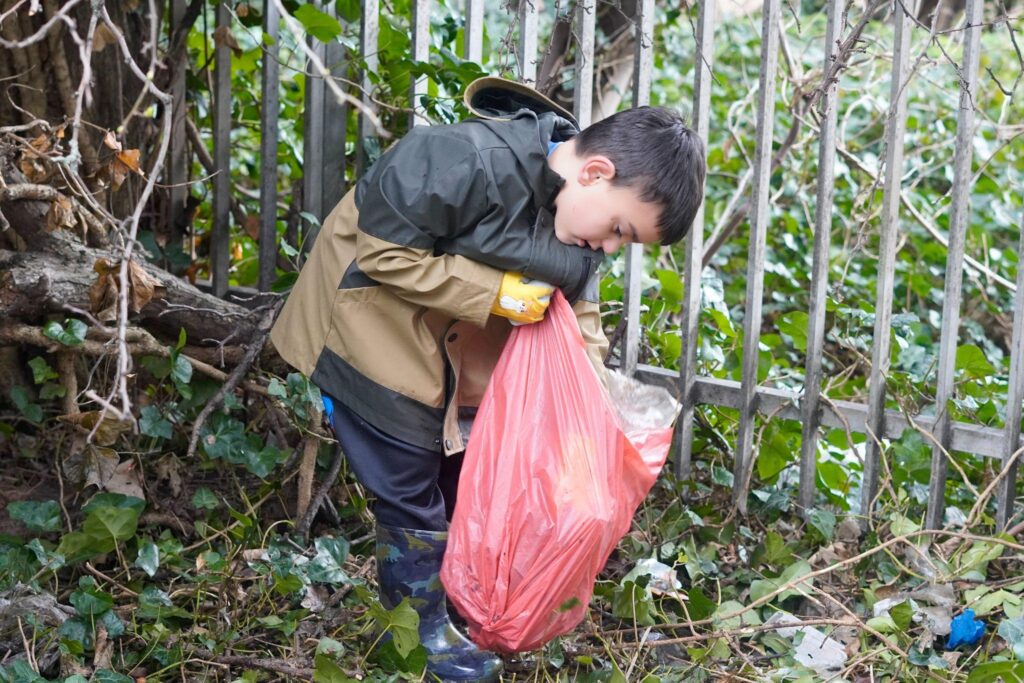
Elevate Together’s Green Futures programme created place-based connections. Through co-design, planting and outdoor learning, participants helped shape the space. The programme left permanent infrastructure on site and a committed group of young people now actively stewarding the garden they helped build.
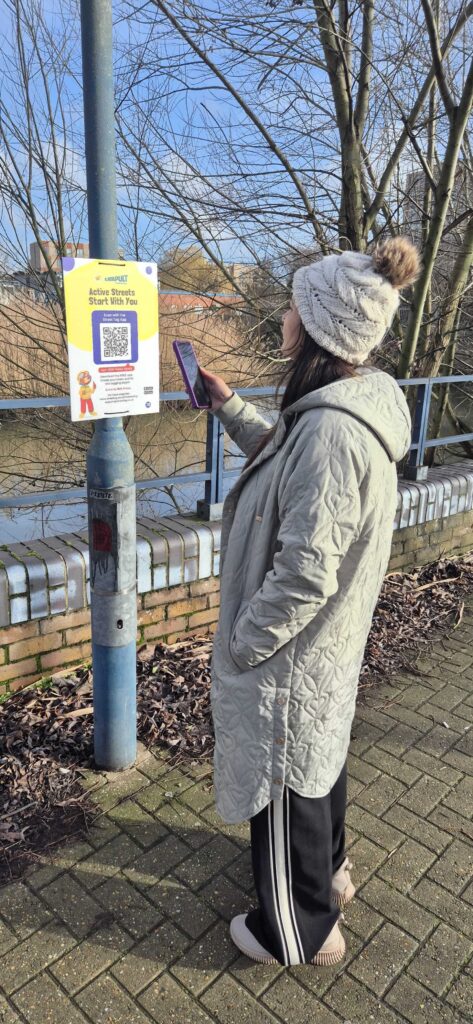
Street Tag turned the river into a playable landscape. By layering digital incentives onto physical space, it encouraged exploration, repeat visits and friendly competition. Participants didn’t just move more, they discovered new routes and travelled specifically to engage with the area.
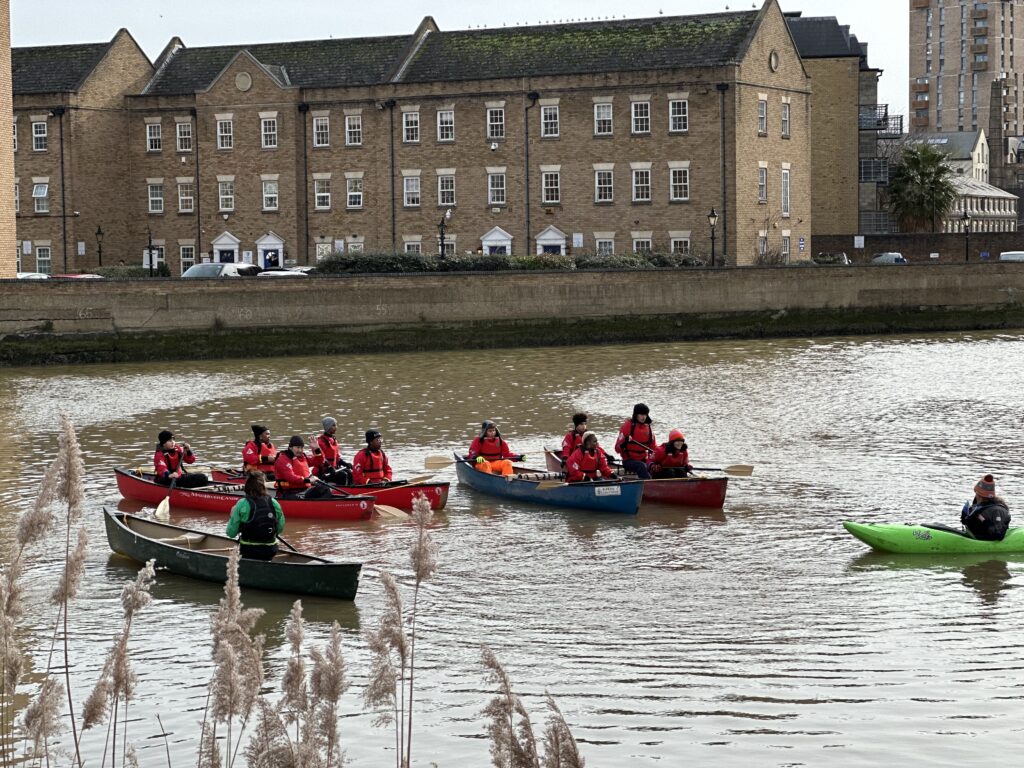
London Kayak School opened up the river itself. For many, this was their first time on the water. Demand was immediate and overwhelming, with bookings filling quickly. The programme demonstrated that urban waterways can be safe, inclusive and highly engaging, while also opening pathways into longer-term participation and even social prescribing.
LISA’s Go Go Ninja programme focused on inclusion, working with a cohort where 45% of participants had special educational needs. The results were striking: every participant increased their step count week on week, alongside improvements in wellbeing and engagement. Just as importantly, parents and carers were brought into delivery, helping to build a sustainable community model.
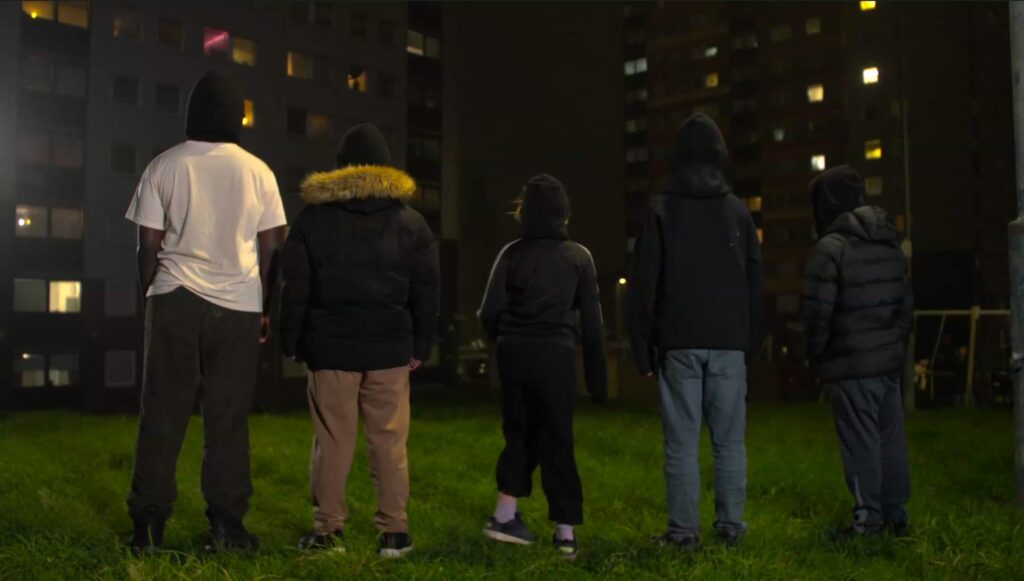
“I learned that it is also fun to play outside instead of playing on my iPad.”
What we learned
Several key insights emerged across the programme:
1. Awareness is one of the biggest barriers to use. Many participants started with little or no knowledge of the River Roding. Once introduced, their relationship with the space changed quickly and positively.
2. Different people need different entry points. From gamified play to paddlesport to structured SEND provision and environmental activity, the diversity of approaches was critical in reaching a broad cross-section of the community.
3. Early success builds momentum. High-quality, well-delivered initial experiences created a strong desire to return and stay involved.
4. Ownership drives sustainability. The most lasting impact came where participants felt a sense of ownership, whether through competition, progression or physically shaping the space.
“My son won’t usually focus on anything for more than a minute – he was noticeably calmer after sessions and beginning to listen and engage in a way that had not been possible before.” Parent of child with ADHD and ODD
A moment to reflect
It’s worth pausing to consider what was achieved in a relatively short period of time. Across a corridor that many local residents had never visited or even knew existed:
- Young people created, and are now caring for, their own community space
- Hundreds of people got out onto the water
- Families spent time together in nature on their doorstep
- Children with additional support needs found something that worked for them
What comes next
This programme was designed as a test, but it has generated clear evidence of what’s possible.
The next phase is about scaling what works and embedding it for the long term. That means expanding Street Tag corridor-wide and integrating it into schools and youth programmes; securing a permanent base for London Kayak School while growing access through education and NHS social prescribing; and supporting LISA to move into its next phase of investment and scale for the Go Go Ninja programme.
Alongside this, Elevate Together will continue delivery with the Eco Warriors cohort while working with the council to embed Green Futures within wider food, health and regeneration strategies and explore replication across the corridor.
But just as importantly, it’s about continuing the approach that made this programme work: putting communities at the centre, designing with people rather than for them, and creating opportunities for genuine participation and ownership.