Neighbourhood Networks – learning from our third quarter
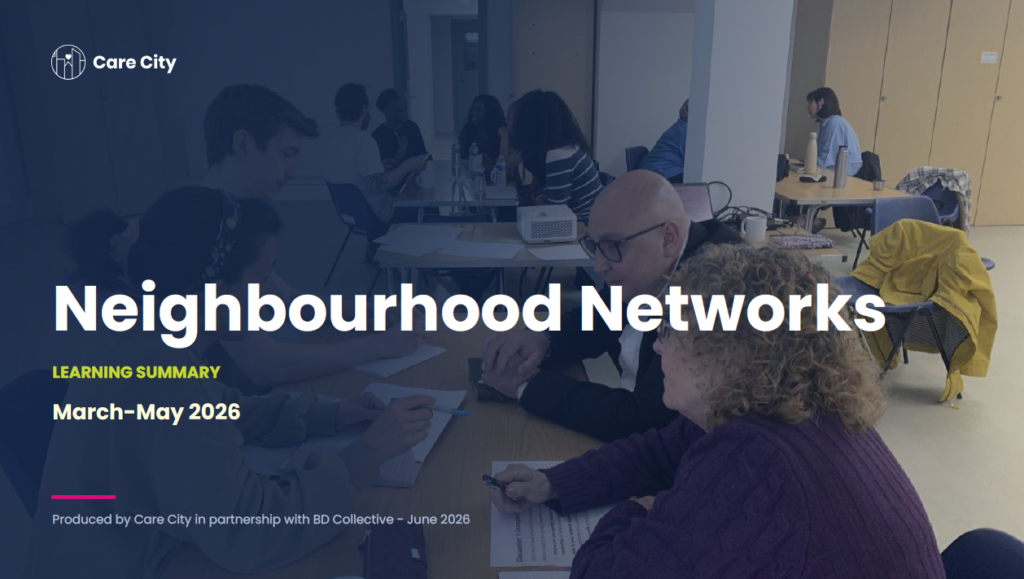
The latest in our Neighbourhood Networks Learning Series, sharing practical insights into what it takes to grow resident leadership and neighbourhood-led change.
Neighbourhood Networks is a growing programme of hyperlocal collaboration in Barking and Dagenham, bringing residents together with voluntary, community, faith and social enterprise organisations to shape what happens in their own neighbourhoods.
This third learning summary captures the next stage of that journey. As the programme has grown from three to five networks, the learning is becoming less about establishing partnerships and more about what it really takes to put residents in the lead.
Rather than presenting a finished model, these reports document a live programme of experimentation. Networks are testing ideas, reflecting together and adapting as they learn, creating practical insight for anyone interested in neighbourhood-led approaches.
What we’re seeing
Over the last three months, activity across the networks has continued to grow.
Residents are leading community litter picks, setting up parent and toddler groups, running cooking classes, designing network identities and developing ideas for improving their neighbourhoods. Across the programme, organisations are becoming more intentional about supporting residents to move from participating in activities to taking ownership of them.
This quarter also welcomed a fifth network, Thrive by Thames, bringing fresh ideas for engaging residents creatively and expanding the programme’s reach across the borough.
Key learning from this quarter
Resident leadership grows through relationships
“We’re trying to build a culture where residents feel it is theirs to run, not just ours to offer. But getting there takes a lot of patients one to one time. You can’t rush it” Network reflection, Quarterly learning session, May 2026
One of the clearest lessons emerging is that resident-led approaches develop through patient conversations, encouragement, confidence-building and practical support that helps people take the next step when they’re ready.
Small investments can unlock big ideas
Networks are beginning to experiment with micro-grants that allow residents to pitch and develop their own ideas.
These small grants are proving to be about much more than funding. They are creating ownership, encouraging residents to think through how ideas could work, and building confidence to lead activity themselves.
Stepping back takes as much skill as stepping in
As residents take on greater responsibility, organisations are discovering that “letting go” isn’t simply about handing over responsibility.
It requires careful planning, clear roles, ongoing support and making sure help remains available when it’s needed. Building resident leadership is an active process of enabling, rather than withdrawing.
Honest challenges remain
The report also explores where networks continue to face challenges.
Reaching beyond residents who are already engaged, creating sustainable activities that don’t depend on organisational capacity, encouraging residents to come forward with ideas, and finding the time to maintain regular community activity all remain important areas of learning.
Sharing these challenges openly is an important part of the programme’s learning approach.
Why this matters
The value of Neighbourhood Networks extends beyond the activities themselves.
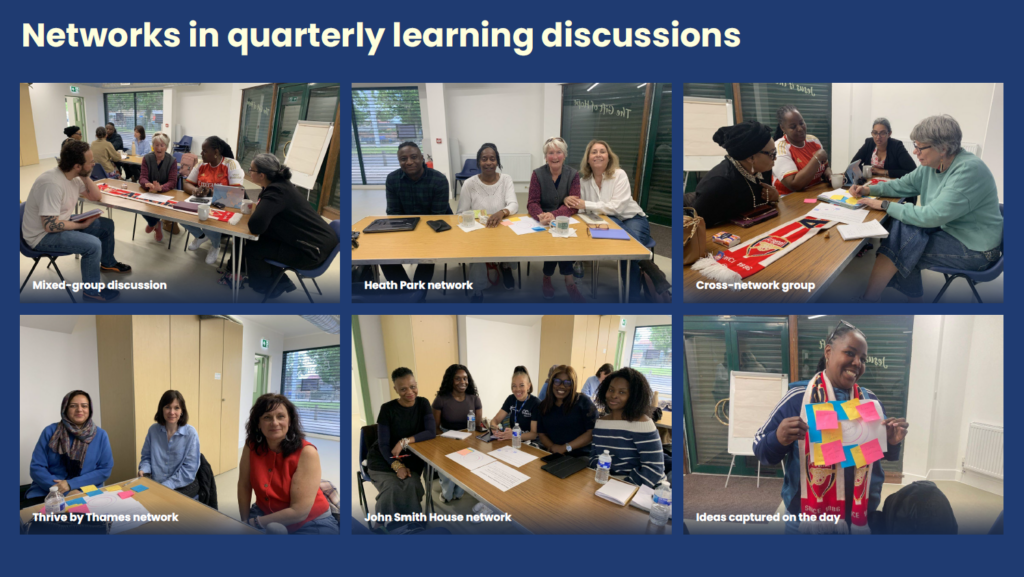
Across the programme we’re seeing stronger community connections, growing confidence amongst residents, new leadership emerging, and people developing a greater sense of ownership over the places where they live. Networks are also increasingly learning from one another, adapting successful ideas and building collective knowledge across the borough.
These are encouraging early signs of how neighbourhood-led approaches can contribute to healthier, more connected communities.
What’s next?
Over the coming months, the programme will continue to grow resident leadership while exploring how Neighbourhood Networks connect with wider neighbourhood health initiatives, including Integrated Neighbourhood Teams and Health Connectors.
Future learning will focus on how local community intelligence can better shape neighbourhood health priorities, alongside strengthening the evidence base for the impact that neighbourhood networks create.
Read the full report
Read the full Neighbourhood Networks Learning Summary (March – May 2026) to explore the practical examples, emerging themes and honest reflections that are shaping the next phase of the programme.