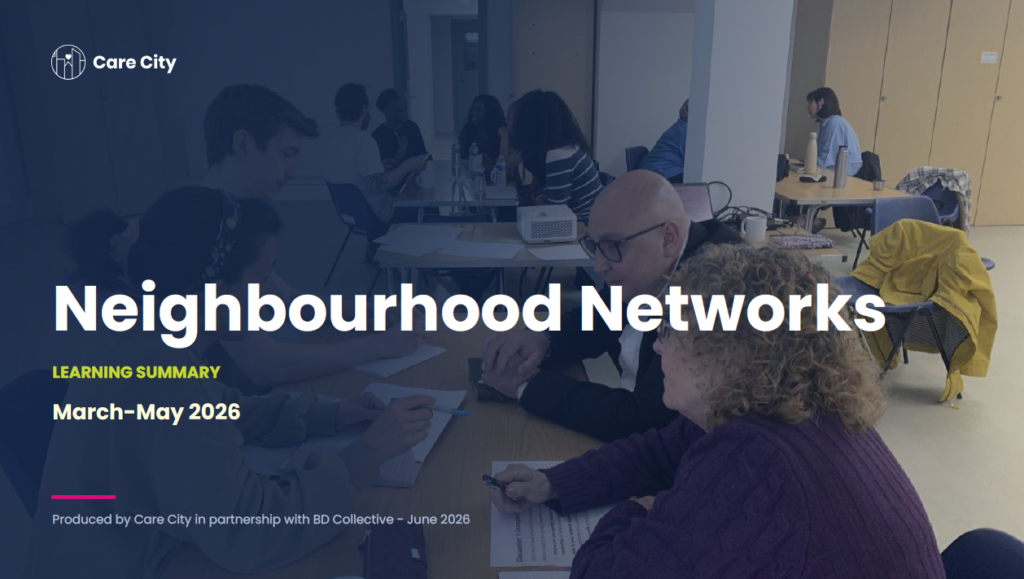
Neighbourhood Networks – Learning from our second quarter
Insights from six months into Neighbourhood Networks, capturing what’s helping, what’s challenging and what we’re learning about building neighbourhood-led change.
Neighbourhood Networks is an evolving programme of hyperlocal collaboration in Barking and Dagenham, bringing voluntary, community, faith and social enterprise organisations together with residents to shape activity at neighbourhood level.
This second learning summary captures what we’re seeing as networks move beyond early set-up and into testing ideas in practice. It reflects on three months of activity, experimentation and shared learning across four networks, and offers insight into what it takes to grow resident-led approaches over time .
What’s happening across the networks
Over the past three months, activity across the networks has begun to take shape, with a clear focus emerging around three areas:
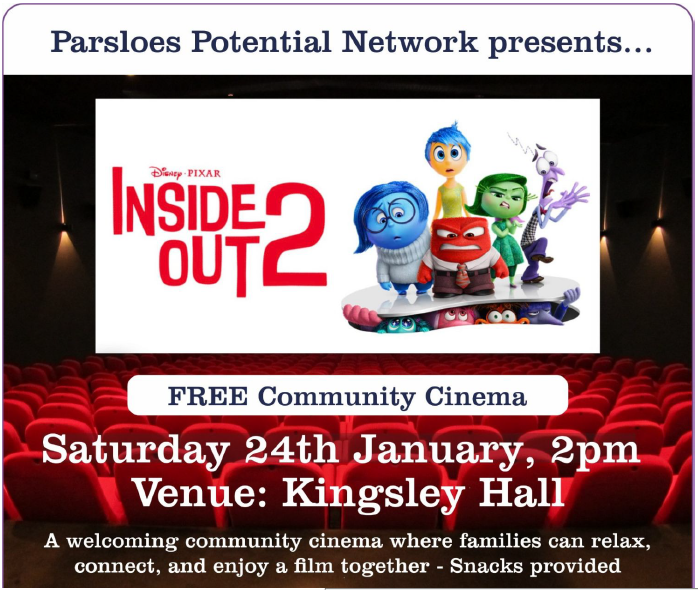
- Bringing families and generations together through activities that cater to all ages, like community cinemas and “dry” discos.
- Supporting wellbeing, particularly for young people, through informal and creative spaces where they can connect with others
- Growing pride in place, with increasing interest in environmental action such as litter picks and improving local spaces
Key learning from this quarter
1. Informality matters more than we think
Creating spaces that feel welcoming, social and human, often centred around food or shared activity, has proven critical in sustaining engagement. Formal processes alone are not enough to bring people back.
2. There is a tension between moving fast and building something that lasts
Some networks have moved quickly into action, while others have spent longer building shared understanding. Both approaches offer value, but the learning is clear: “good enough for now, safe enough to try” is helping networks take the next step.
3. “Resident-led” doesn’t just happen, it needs support
While there is a strong ambition for residents to lead, this feels challenging in practice. Questions around safety, responsibility and quality are real.
Networks are beginning to explore how to create the right “scaffolding” to help residents take the lead – from training and coaching to exploring activities requiring less formal coordination and logistical support, supporting residents to step forward with confidence.
4. Shifting from participation to contribution is a cultural change
A key shift emerging this quarter is moving from asking “what do you want?” to “what can you bring?”.
This requires time, trust and one-to-one relationships, but is central to building sustainable, community-led activity.
5. Capacity is the hidden constraint
Many networks are generating more ideas than they can bring to life. Without more invested residents involved in delivering activities, the potential of networks risks being limited by the capacity of a small number of organisers. This is reinforcing the importance of growing shared ownership of networks with residents, not just generating ideas in consultation with them
The value beginning to emerge
Across the networks, early value is becoming visible through:
- Stronger connections between residents, families and generations
- Improved wellbeing, through social and creative activity
- Growing civic action, as residents begin to take initiative and contribute to their neighbourhoods
These are early signals, but they point towards the longer-term ambition of building more resilient, connected communities.
What we’re exploring next
As the programme develops, a key focus for the coming months will be how networks connect beyond themselves:
- How can networks collaborate more with each other and with local partners?
- How can activity link more clearly to wider place-based priorities?
- What does more joined-up, neighbourhood-level action look like in practice?
Alongside this, we will continue to explore how to support deeper resident leadership in ways that feel safe, inclusive and sustainable.
We’re keen to connect with others exploring similar approaches. If you’re working on neighbourhood-based or asset-based initiatives, we’d love to hear from you.