Through the Staff’s Eyes: How Care Technology is Changing Everyday Work in Extra Care
In this interview, Extra Care staff share practical learning for those designing and delivering care services, showing how technology can support quicker responses and more personalised care.
Over the past year, the Redbridge Adult Social Care Tech Pilot has been exploring how different kinds of care technology can detect and prevent trips and falls in people aged over 60.
In this interview, we’re taking a closer look at Extra Care facilities, which are designed for residents to live in self-contained flats while receiving on-site support. Given the nature of this care model, residents have the ability to live largely independently and are not being monitored around the clock.
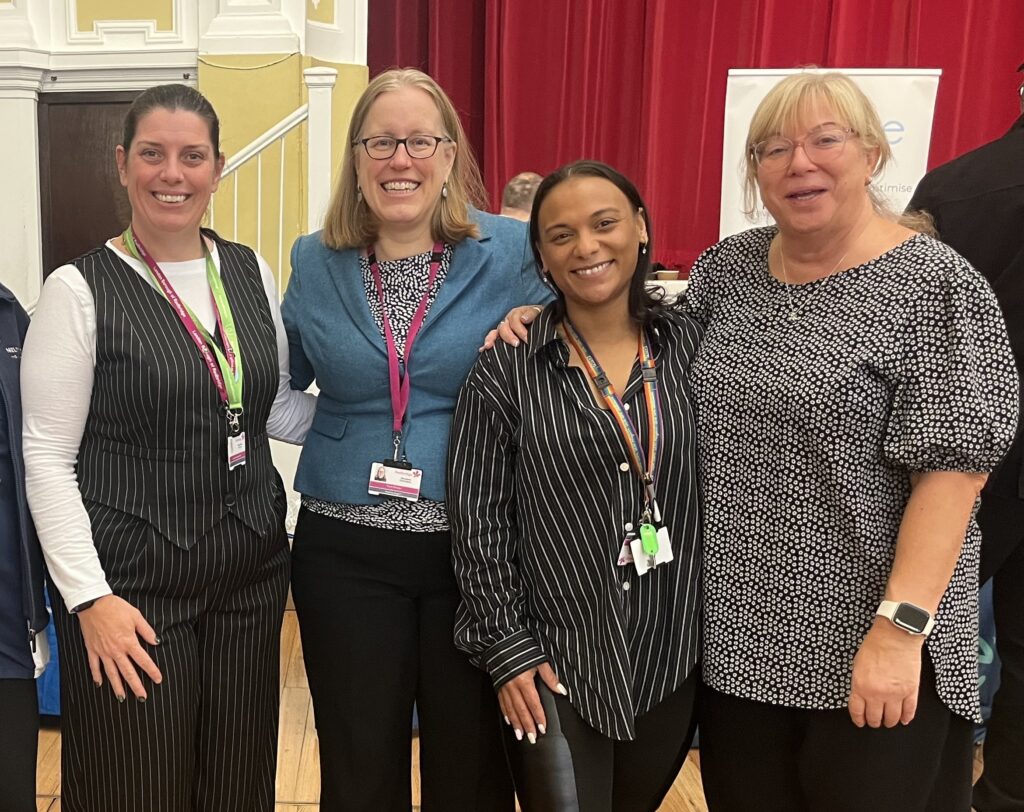
We’re speaking with three members of the Extra Care Team, Cassandra Christie, Emma Horgan, and Jo Lincoln, who look after Oakfield Lodge, Fernways, and George Davies Lodge respectively, where some residents have been trialling either the MiiCare or Informetis technologies.
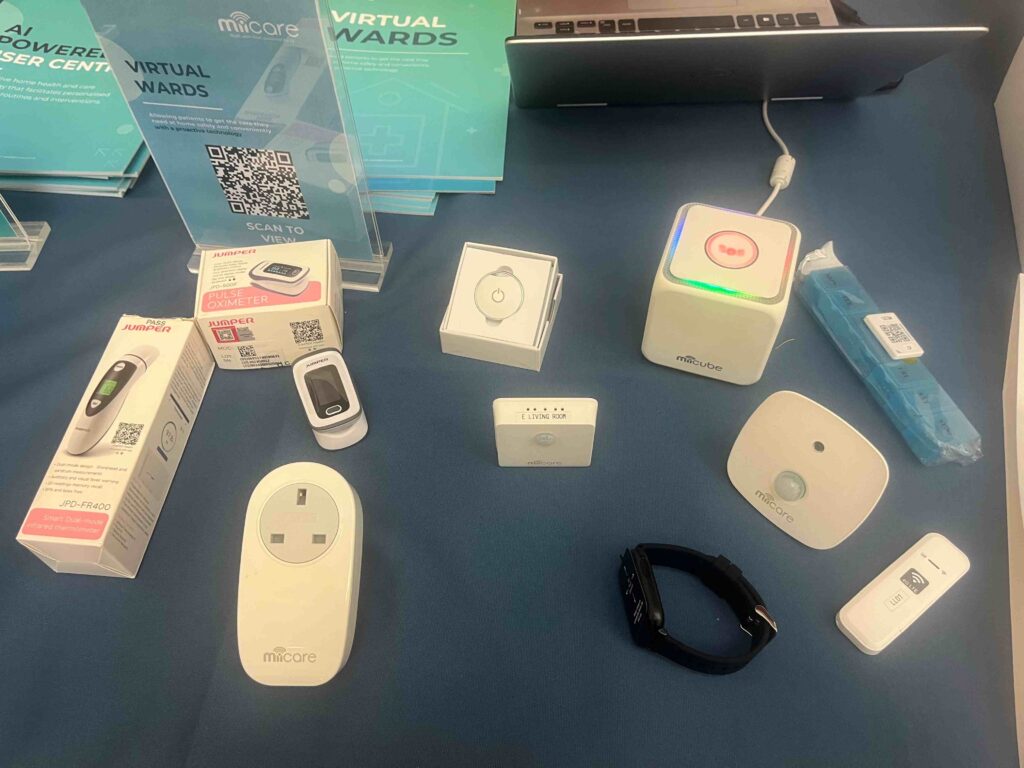
MiiCare consists of an AI-based voice activated companion with an SoS function and discreet sensors to track movement and monitor wellbeing patterns in someone’s home.
Informetis uses AI-based smart energy monitoring to detect activity in the home, such as whether lights or appliances have been used, helping to flag potential changes in daily routines and raise alerts when interventions are required.
Key Insights At A Glance
- Care technology can provide meaningful insights into residents’ routines and flag unexpected or unusual behaviour. These insights allow the Extra Care teams to identify potential health issues, make adjustments to someone’s care plan and provide additional support where needed. It is essential to use data sensitively to avoid residents feeling overly monitored.
- Different care technologies add value in different ways and not every technology is right for every resident or setting. MiiCare supported deeper insight into wellbeing within Extra Care settings, while Informetis showed strengths for more independent living.
- Most staff see long-term potential in implementing care technology into Extra Care settings, however, connectivity and staff capacity are critical considerations for any wider rollout.
Q: How have you found trialling two types of care technology at the Extra Care facilities?
Trialling two different technologies at the same time has been really useful, because they support care in different ways and suit different residents.
With MiiCare, we found it particularly helpful to have insight into residents’ movement within their flats. For example, we support a resident who has dementia and often wanders, sometimes going missing from her flat. Previously, when we found her gone in the morning, we didn’t know when she had left, it could have been as early as 9pm the night before, which meant a 12-hour window.
Now, thanks to the sensors, we can see movement data with timestamps and know from the door sensor exactly when she left. The last time this happened, we could see she had gone out early in the morning. That’s so helpful, as it narrows the search window and gives us confidence that she can’t have gone far.
The data has also helped us understand residents’ routines better. For instance, we noticed that one resident was up frequently during the night and spending a lot of time in the bathroom. That kind of pattern can sometimes indicate early signs of something like a UTI. Having this insight means we can respond sooner, for example by increasing their water intake and keeping a closer eye on them.
Our survey showed that 81% of Extra Care staff either agreed or strongly agreed to the statement that MiiCare and Informetis technologies will contribute to improved quality of care to their residents.
Informetis has been helpful in a different way. It’s useful to us for flagging alerts when someone hasn’t turned on their lights or kettle, which can tell us that something might be wrong. We also asked for a shower-monitoring function, which gave us additional insight into whether residents might need support with personal hygiene.
However, Informetis works best for our more independent residents, people who are able to get up, move around, and use appliances themselves. Because of that, we had to be quite selective about who trialled it.
From what we’ve seen during the pilot, technology like Informetis may be more effective for people living independently in their own homes, rather than within Extra Care settings where residents often already receive regular support. That doesn’t mean it isn’t useful, just that its strengths may be better suited to a different context.
Q: What’s been difficult?
Connectivity has been quite a big challenge. Not all of our flats have Wi-Fi, so we relied on mobile dongles but their signals were unreliable, and we spent a lot of time reconnecting devices and making sure everything stayed plugged in. However, the tech support has been great and really responsive.
Another difficulty is to do with our capacity. We work in a busy environment and it’s hard to find the time to look at the data. If we were to adopt this fully, we’d definitely need to look at how this could be incorporated into our roles so that the data can be monitored regularly given the capacity challenges we face.
There’s also a sensitivity around how we use the information. The insights are incredibly helpful and allow us to support residents better, but we’re very aware that it might make people feel like they’re in a “goldfish bowl.” For example, if someone is spending more time in the bathroom, it might indicate they’re becoming unwell, but it could also be something entirely unrelated, they might just be nervous. We have to approach those conversations carefully and respectfully.
Q: What are your thoughts on the future of care technology in Extra Care?
As part of this pilot, we’ve given the technology to residents we already know, but it could be really useful for getting to know new residents and their routines when they first move in.
It would be great if we could have monitoring sensors in every flat as a standard offer, with residents having the option to opt out if they don’t want the technology.
81% of the Extra care team agreed or strongly agreed that the technology they trialled in their care setting has the potential to be used on a longer term basis.
Q: Any final thoughts?
Overall we’ve made small but meaningful changes to people’s care based on what we’ve learned about their routines. When you look at the data over a longer period, you start seeing patterns or risks that you might not have known about and sometimes that shows that someone actually needs a different care and support package.
When asked whether the data from MiiCare and Informetis technologies helped care staff to adjust care plans for their residents, 60% agreed or strongly agreed.
It’s been a massively interesting pilot. It’s opened our eyes quite a bit to the people that we’re providing care to, which is always a good thing, because you don’t really know someone’s actual routine unless you’re living it with them.
“The care technology devices give you a window into someone’s life and how they like to live it.”
Reflections
The Extra Care team’s experiences highlight one of the most powerful aspects of care technology: its ability to strengthen relationships and deepen understanding between staff and residents. By surfacing patterns that might otherwise go unnoticed, these tools can help care teams respond earlier, tailor support, and make informed decisions.
Trialling both MiiCare and Informetis side by side has helped the Extra Care team better understand where each technology adds the most value. MiiCare has supported deeper insight into routines and wellbeing within Extra Care settings, while Informetis has shown potential for more independent living environments.
Together, they’ve reinforced an important lesson from the pilot; there’s no single solution that works for everyone, the real value comes from matching the right technology to the right person, in the right setting, at the right time.
As we continue to learn from the pilot, the insights from staff like Cass, Emma, and Jo are shaping how we think about the future of digitally enabled care across Redbridge.