
Designer
Summary
We’re looking for a creative, collaborative designer to work alongside communities and partners to design, test and deliver innovative approaches that improve health and care.
Salary: £38,000 – £41,000 DOE
Location: Hybrid – our office is in Barking, there will be travel across Barking and Dagenham, and working from home.
Closing Date: 13th November 2026
We are a not for profit organisation that designs, tests and spreads
innovations that help people live the lives they want, delivering local benefit with
national significance in health and care. Our vision is a future where radically
better health and care is possible.
We are looking for a designer who wants to use their design skills to change how
health and care work. You’ll have experience in user research, co-design,
prototyping and visual communication, but you’ll also be happy supporting other
projects and activities that might include: facilitation, evaluation, project delivery,
writing and bids.
You’ll work alongside residents, people who draw on care and support, carers,
frontline staff and partners across local government, the NHS and the voluntary
and community sector. Much of our work is in North East London, our home, but
we are increasingly working across the UK with places that want to try innovative
approaches and adapt what works for their place.
How it feels working at Care City
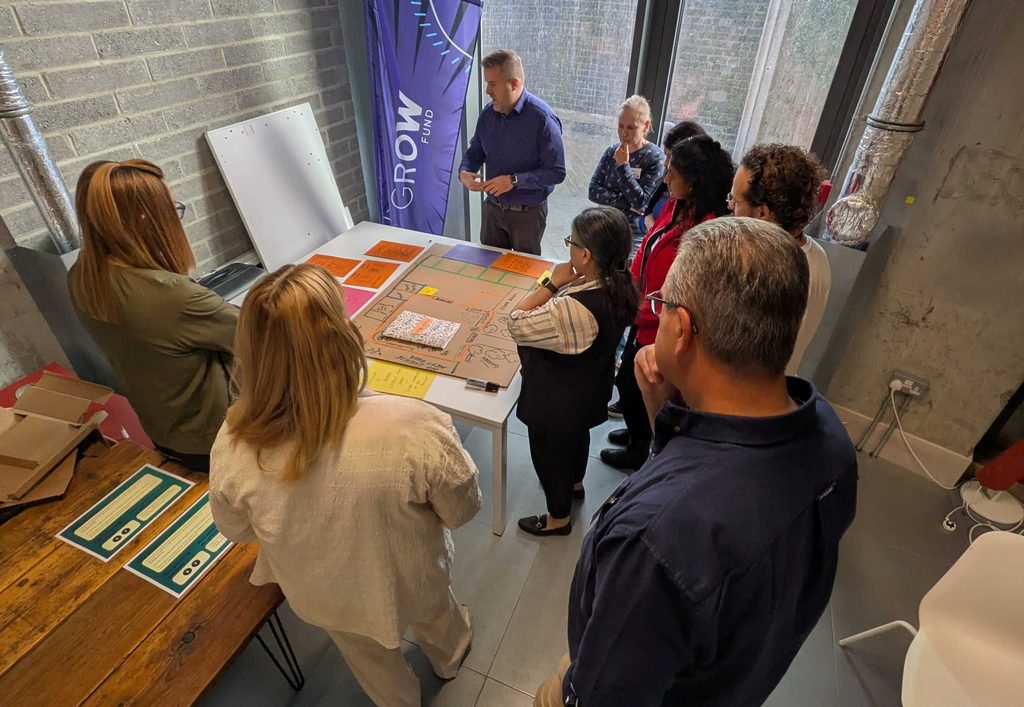
We are a small team, so your work will be visible and your ideas will count. You’ll
work in multidisciplinary project teams and with our network of senior associate
designers and researchers, and you’ll also need to be comfortable taking
ownership of pieces of work, with guidance and support from experienced
colleagues.
You’ll help shape how design develops at Care City as we grow. Alongside
learning on the job from the Service Design Lead and our associates.
We describe ourselves as doers. Our projects are complex and varied, and we move quickly from insight to action: testing new services, roles, and technologies in the real world, learning from what happens, and adapting to help change stick.
What we are working on
Our strategy for 2026 to 2029 sets three priorities for our external work:
showing that neighbourhood-led health and care works; leading innovation
through experimentation; and helping proven approaches spread, so our work
delivers local benefit with national significance. Examples of current and recent
projects this role could contribute to:
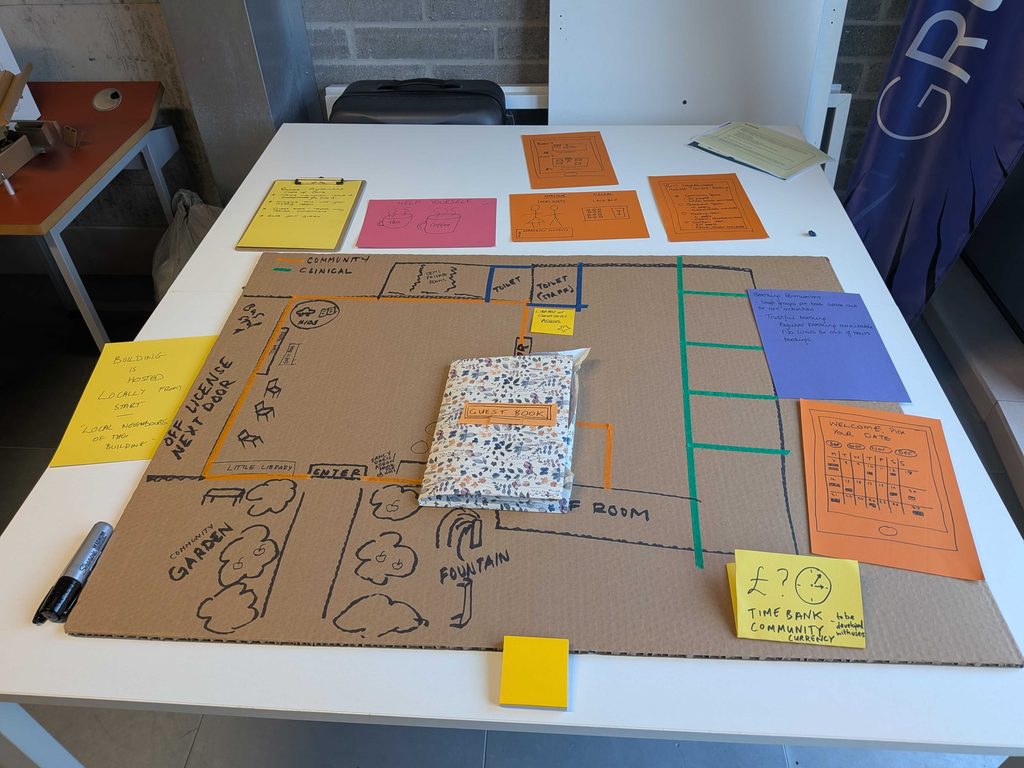
- Making neighbourhood health neighbourhood-led in Barking and
Dagenham and Hackney, including working with residents to design a new
front door to health and social care that embeds relational working - Connect, a partnership with nine voluntary and community organisations
in Barking and Dagenham that helps people experiencing complexity and
social isolation to develop relationships and connection in their
communities - Designing technology with the people who will use it, such as &Thrive,
co-designed with people who draw on care and support to help others
find creative ways to use direct payments - Working with the Department of Health and Social Care to develop
national standards for care technology, grounded in the experience of
local authorities, care providers and people who draw on care - Co-designing new roles in social care, such as nursing associates and
therapy assistant practitioners, with care staff and providers across North
East London - A national co-design process with Scottish Care on the future of Care
Technologist roles in Scotland
You’ll also contribute to internal projects that help us work better, for example
developing more inclusive ways of involving communities in our work. We want
to learn from you too, so sharing your methods, tools and ideas with the team
will be part of the role.
What you will do
Design
- Shape the design approach: Help frame challenges and choose and adapt
design methods to suit the people, context and problem we’re working
on. - Research and understand: Plan and carry out qualitative research with
residents, carers and staff, using interviews, observation and other
methods. Analyse findings to identify insights and opportunities for
change. - Make and test ideas: Design and facilitate inclusive co-design activities,
develop ideas into tangible prototypes, and test and refine new services,
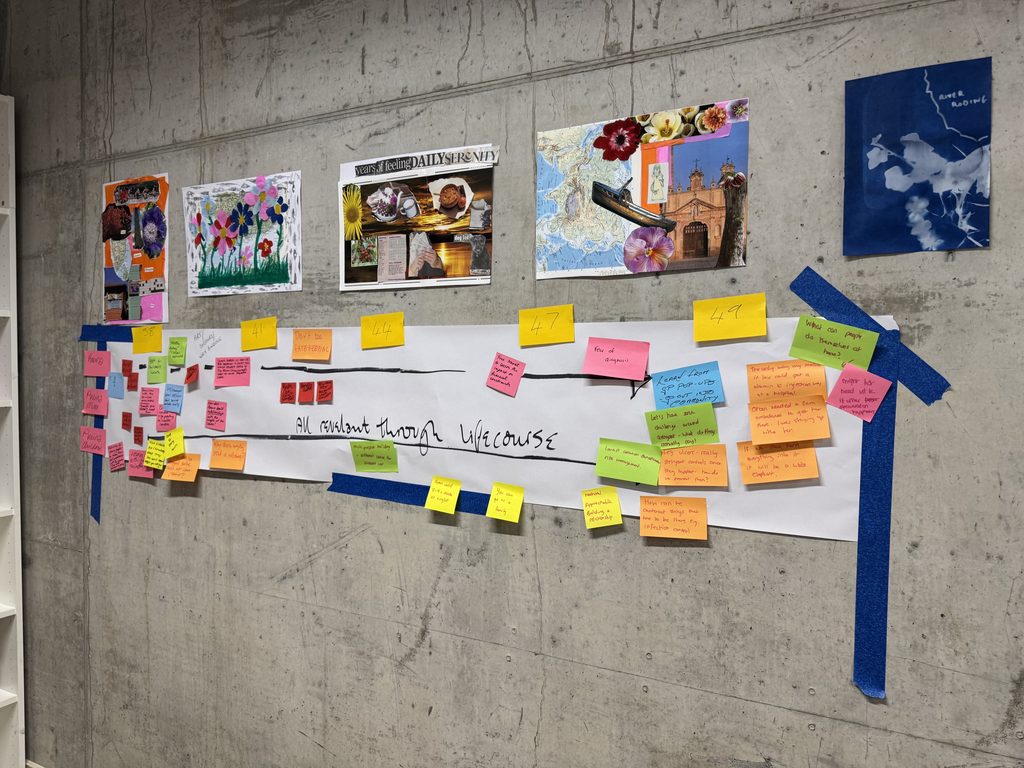
roles and technologies with the people who will use them. - Communicate and influence: Make complex information and ideas easy to
understand through clear visual communication, including journey maps,
service blueprints, diagrams, presentations and reports, helping people
make decisions and take action.
Across the team
- Support project delivery and partner relationships, including planning,
logistics and keeping work on track - Contribute to evaluation and learning: gathering and analysing qualitative
and quantitative data, and capturing what works, why it works and what it
takes to make it stick - Carry out rapid desk research and literature reviews
- Contribute to writing funding bids, proposals and case studies
- Produce policy briefings, event summaries and content that shares our
learning with other places - Help create training, toolkits and guides that equip places to continue the
work after our involvement ends
What you will bring
We are interested in what you can do and how you work, not only where you
studied. We would like you to:
- have some experience of design practice, such as service design, user
experience, design research, co-design or community engagement, gained
through a placement, volunteering or work - have some experience in delivering meaningful parts of a design project,
making decisions about methods, working with stakeholders and
translating findings into something useful, with some direction - be able to share a portfolio or examples of your work that show how you
approached a problem, not only the finished output - be confident using visual and collaboration tools such as Miro, Figma,
Canva, Google Workspace or Microsoft Office, and be curious about new
tools, including AI - have good written and visual communication skills
- be comfortable talking with a wide range of people, and adapt how you
work so everyone can take part - be happy to take on varied tasks and switch between them as priorities
change - have basic confidence with numbers and data, for example analysing
survey results in a spreadsheet - care about health and care, public services and communities
Experience in the public or community sector is welcome but not essential. We
also value lived experience of the communities we work with, or of drawing on
health and care services.
Benefits
- A meaningful job where all team members contribute to improving the health and wellbeing of our East London community
- 28 days’ holiday plus bank holidays
- An additional day off per year for a celebration of your choice (e.g.
- birthday, anniversary)
- Contribution to a pension scheme
- Development and training opportunities for shaping and realising your career goals
- Flexibility with working hours
How you will work
At Care City, behaviours are valued as highly as experience. Our strategy sets out
the principles we work by, and we are looking for someone who will:
- Start with people and place: begin with people’s real lives rather than
systems or technologies, and design with communities, not for them - Be a doer: move from insight to action, try things, learn from what does
and doesn’t work, and adapt - Care about evidence and learning: be curious about what works, why it
works and how to show it - Work in partnership: build trust with colleagues, partners and residents,
value what each person brings, and share ownership of the work - Be honest and bold: say when something isn’t working and suggest better
ways to do it - Bring cultural awareness: understand and respect the communities we
work with, and recognise the knowledge and experience people bring
How do I apply?
Please email your CV, a supporting statement and a link to your portfolio or
examples of your work to careers@carecity.org by midnight Friday 13/11/2026.
Meet the team
Interested to know who you could be working with? We are a diverse bunch with a variety of experiences and career backgrounds (and hobbies!). Meet us here.